How to Keep Your Diamond Necklace Safe During Travel and Storage
Why Diamond Necklace Care Matters
A diamond necklace is often one of the most delicate pieces in a jewelry box. The chain can kink, the clasp can loosen, and the stones can snag on fabric or become dislodged. Proper care during travel and storage is not just about keeping the necklace shiny - it is about preserving the setting, the metal, and the stones themselves. A little planning goes a long way, especially when you are on the move or storing the piece for a season.
Many people focus on cleaning their diamond jewelry but give less thought to how they store or transport it. Yet a necklace that is tossed into a bag or left sitting in a drawer can develop problems that are costly to fix. This article walks through the key points to check so your diamond necklace stays beautiful and secure, whether you are wearing it daily or keeping it safe for years. For more background on styles, settings, and quality factors, resources like diamond-rings-info.com offer detailed explanations that can help you understand what makes your necklace unique.
Check the Clasp and Findings First
The clasp is the most vulnerable part of any necklace. It takes the most stress each time you put the piece on or take it off. Before you travel or store a diamond necklace, inspect the clasp for any sign of weakness. A spring ring clasp that does not snap shut firmly, a lobster clasp that feels loose, or a toggle that slides out too easily are all red flags.
Also check the jump rings - the small metal loops that connect the clasp to the chain. Over time, these can open slightly under tension. If a jump ring is even a little bit open, the whole necklace can slip off and fall. A gentle tug on the clasp while the necklace is laid flat will tell you if anything gives. If you notice any movement, have a jeweler close the ring or replace the clasp before you travel.
Examine the Chain for Wear
Chain wear is often overlooked because it happens gradually. A chain that feels smooth today may have tiny weak spots that will snap under sudden pressure. Run the chain through your fingers slowly, feeling for any rough patches, kinks, or flattened links. Pay special attention to the area near the clasp and any point where the chain rubs against clothing or skin.

For delicate chains like rope or cable styles, a single damaged link can cause the entire necklace to break. If you find a bent or worn link, it is safer to have it repaired before you pack the necklace. Travel exposes jewelry to bumps, zippers, and other hard surfaces that can worsen existing damage.
Check for Loose Prongs or Settings
Diamond necklaces often have prong settings that hold each stone in place. A loose prong is one of the most common reasons a diamond falls out. Before you store or travel with the necklace, look at every prong under good light. If you can see daylight between the prong and the diamond, or if the prong looks bent or worn, the stone is at risk.
Gently press on the diamond with a soft tool, like a toothpick, to see if it moves. Do not use anything metal that could scratch the setting. A diamond that wobbles even slightly should be tightened by a professional. Many jewelers offer a quick check for free, and it is worth doing before a trip. Leaving a loose setting unchecked is one of the easiest ways to lose a stone.
Store Necklaces Flat, Not Hanging
Diamond jewelry storage often gets treated like storage for any other accessory, but necklaces have special needs. Hanging a diamond necklace on a hook or a stand puts constant tension on the chain and clasp. Over time, the chain stretches and the clasp weakens. The weight of the diamonds, especially in a multi-stone necklace, pulls on the links and can cause them to deform.
The best storage is flat. A soft jewelry box with individual compartments or a padded tray keeps each necklace separate and free from tension. If you use a jewelry roll, lay the necklace flat inside a slot rather than wrapping it around the roll. Wrapping can create kinks that are hard to remove later, and it puts stress on the metal.
For travel, a hard-shell jewelry case with padded slots is ideal. Avoid putting a diamond necklace in a soft pouch or a zippered bag unless the necklace is inside a separate compartment. Loose pouches allow the chain to tangle with other pieces, which can scratch the metal or pull on the setting.
Keep the Necklace Away from Moisture and Chemicals
Moisture is a problem for diamond jewelry storage because it speeds up tarnish on silver and can dull the finish on gold. Even platinum, which is resistant to tarnish, can develop a film from exposure to humidity. Store your necklace in a dry environment, away from bathrooms, kitchens, or basements where humidity tends to be high.
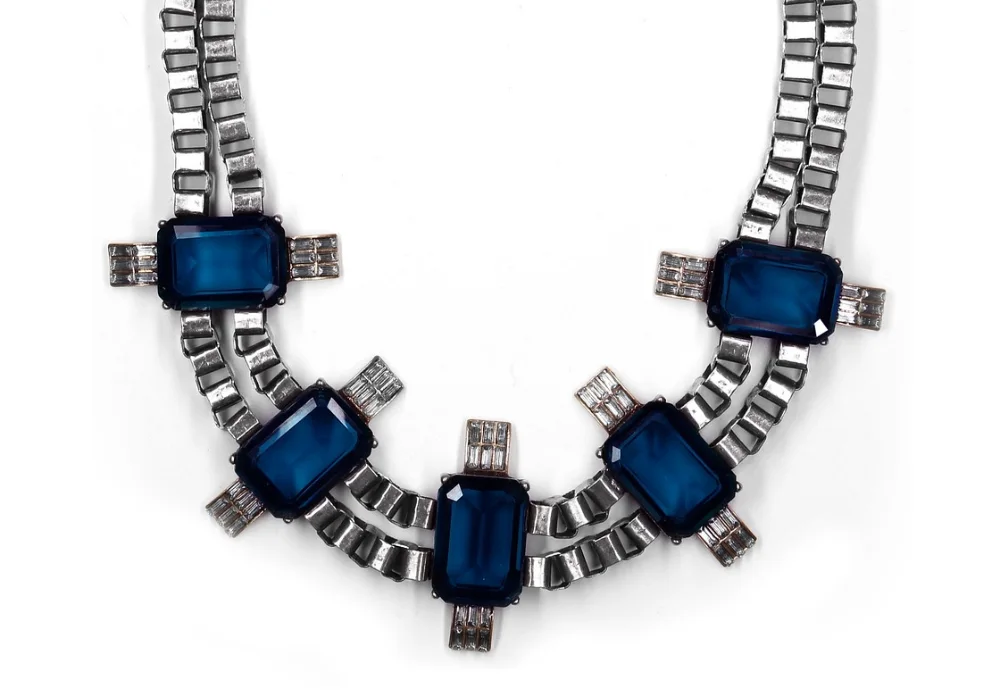
Chemicals are another concern. Perfume, hairspray, lotions, and household cleaners can leave a residue on diamonds that dulls their sparkle. Over time, these substances can also weaken the metal settings. When you wear a diamond necklace, put it on after applying makeup and sprays. When you store it, keep it in a jewelry box that is lined with a soft, non-abrasive fabric.
A silica gel packet inside the jewelry box can help absorb extra moisture. Just make sure the packet does not touch the necklace directly. Some silica packs contain chemicals that could react with metal over long periods.
Clean Gently Before Storage
Before you put a diamond necklace away for more than a few days, give it a gentle clean. Dirt, oils from your skin, and residue from lotions can build up on the stones and metal. If left for weeks or months, this buildup can become harder to remove and may even cause the metal to discolor.
Use a soft cleaning cloth or a solution of mild soap and warm water. Soak the necklace for a few minutes, then brush it gently with a soft toothbrush. Rinse thoroughly and pat dry with a lint-free cloth. Avoid ultrasonic cleaners for necklaces with delicate or glued settings, as the vibrations can loosen stones. If you are unsure about the setting, stick to hand cleaning.
Dry the necklace completely before storing it. Any trapped moisture can cause tarnish or, in the case of plated jewelry, speed up the wear of the plating. A fully dry necklace stored in a clean, padded compartment will stay beautiful much longer.
Inspect the Necklace After Travel
When you return from a trip, do not just toss the necklace back into your jewelry box. Travel exposes jewelry to temperature changes, bumps, and friction that can cause damage you may not notice at first. Take a moment to repeat the checks: clasp, chain, prongs, and overall condition.
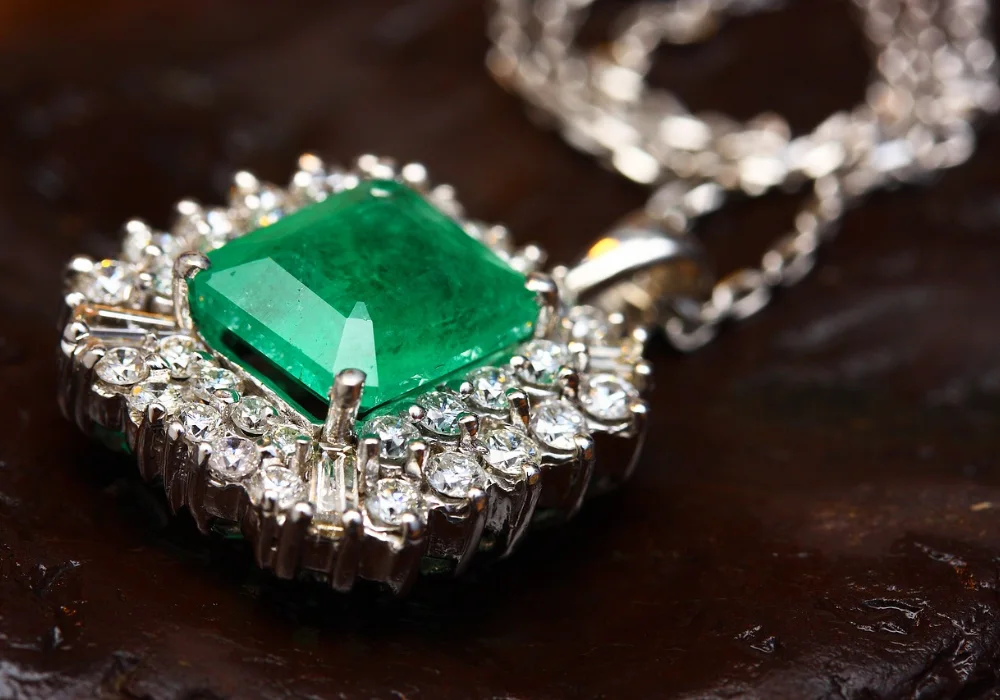
If you wore the necklace during the trip, it may also have picked up dirt or lotion that needs cleaning. A quick wipe with a soft cloth before storage removes any residue and keeps the metal looking fresh. This habit also helps you catch any loose parts before they become a bigger problem.
Regular inspections, even when you are not traveling, are the simplest way to extend the life of a diamond necklace. A few minutes every few months can prevent the frustration of a lost stone or a broken chain. For a deeper look at how different necklace styles and settings affect durability, sites like diamond-rings-info.com can help you choose pieces that match your lifestyle.
Final Thoughts on Diamond Jewelry Storage
Diamond necklace care does not have to be complicated. Focus on a few key points: check the clasp and chain for wear, make sure every prong is secure, store the necklace flat and dry, and clean it before putting it away. These simple steps protect the necklace from the most common causes of damage. Whether you are packing for a week-long trip or storing a heirloom for years, a little attention to detail keeps your diamond necklace safe and sparkling.
Ends · THEJEWELRYEDIT